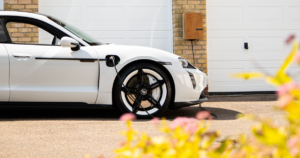

Electric cars have been one of the most tax-efficient ways for a business to provide a vehicle. That is still true, but the gap is closing. Budget 2026 and the Finance Bill that followed contain four changes affecting electric cars, some of which got little attention on Budget day. If your business owns electric cars, provides them to staff or lets people charge at work, here is what is changing and when.
The 100% first-year allowance ends in March 2027
At the moment, a company buying a new, unused zero-emission car can deduct the full cost from its profits in the year of purchase. That relief has been extended year after year, but this time it wasn’t. It is due to end on 31 March 2027 for Corporation Tax and 5 April 2027 for Income Tax (sole traders and partnerships).
After the deadline, a company buying a fully electric car can still claim annual writing-down allowances. Cars are excluded from the Annual Investment Allowance, full expensing and the proposed 50% first-year allowance. The Finance Bill would reduce the main writing-down rate to 12% a year from 1 April 2027 (6 April 2027 for Income Tax).
Take a company with a 31 March year end and enough profits taxed at 25%. Buying a qualifying £70,000 electric car in March 2027 would cut its Corporation Tax by £17,500 for that year. Buying it in April would give an £8,400 deduction for the year to 31 March 2028 at the proposed 12% rate, cutting tax by £2,100. Buying in March brings £15,400 of relief forward. With an April purchase, the remaining £61,600 qualifies for relief over time.
With qualifying hire purchase, the company can spread the payments and still claim the allowance on the capital cost if it brings the car into business use by 31 March 2027. Placing an order or paying a refundable deposit by that date does not, on its own, secure relief on the full price.
Company car tax on electric cars keeps rising
The Finance Bill proposes a one percentage point increase across all company car benefit bands for 2030/31. The table shows the rates for fully electric cars, including that proposed increase.
| Tax year | Electric car rate |
|---|---|
| 2026/27 | 4% |
| 2027/28 | 5% |
| 2028/29 | 7% |
| 2029/30 | 9% |
| 2030/31 | 10% |
The maximum rate for the most polluting cars reaches 40%, so electric remains far cheaper. But the direction is clear. For an employee paying 40% tax on a car with a £70,000 list price, the annual tax bill rises from £1,120 now to £2,800 in 2030/31. The employer’s Class 1A National Insurance rises with it, from £420 to £1,050 at today’s 15% rate.
When does 20% VAT apply to EV charging?
Domestic electricity is currently zero-rated for VAT in Great Britain. HMRC has clarified its longstanding position that the domestic rate does not extend to public EV charging.
From 1 November 2026, electricity supplied at public charge points and at workplace charge points available to employees or contractors falls outside the domestic-use rules for VAT and Climate Change Levy. A charge point reserved for residents of a particular building can still qualify for domestic treatment.
Proposed pay-per-mile tax from April 2028
The Government proposes a mileage duty on top of normal vehicle tax, starting when a car is first taxed or its tax is renewed from 1 April 2028. The starting rates would be 3p per mile for fully electric cars and 1.5p per mile for plug-in hybrids, rising with inflation from 2029/30. Drivers would give an odometer reading and estimate the coming year’s mileage.
At those starting rates, 10,000 miles would add £300 a year for a fully electric car or £150 for a plug-in hybrid. Both private and business miles count.
One piece of good news: mileage rates
For business journeys in an employee’s own car or van, the approved rate for the first 10,000 business miles stays at 55p per mile. From 6 April 2027, the Government has announced a rise from 25p to 35p for each mile above that. The rates apply to all fuel types and also cover sole traders who use simplified mileage.
A director who already owns a suitable car and drives 15,000 qualifying business miles could receive £7,250 tax-free from the company in 2027/28. That is £5,500 for the first 10,000 miles and £1,750 for the rest. Ordinary commuting is excluded. If you would need to buy the car personally, include the tax cost of taking money out of the company, alongside depreciation and running costs.
Separately, the tax-free reimbursement of home charging costs for electric company cars is unaffected. We covered how that works, including backdated claims, in our guide to claiming electric company car charging tax free.
Is an electric car still worth it?
If the company needs a car, get a contract-hire quote alongside the purchase price. A fully taxable, VAT-registered business usually cannot recover purchase VAT on a car available for private use. With ordinary contract hire it can generally reclaim half the VAT on the rentals.
On a rental of £1,000 plus £200 VAT per month, that gives £3,600 of recoverable VAT over three years. Compare the rentals after VAT and any excess-mileage charges with the cost of buying and financing the car, allowing for tax relief and what you expect to sell it for.
These changes build on the wider measures in our Budget 2026 summary for business owners.
What next?
If you are thinking about a vehicle purchase, reviewing a car scheme or providing charging at work, contact the Praxis team. We can model the after-tax cost of the options for your business and your team.
Prepared on 18 November 2026 from the Budget 2026 overview of tax legislation and rates and HMRC’s notes on company car tax rates, VAT on electric vehicle charging and Electric Vehicle Excise Duty. Measures in the Finance Bill remain subject to Parliament. Examples are illustrative; individual advice should reflect your circumstances.
Previous Post